Selling or transferring nonexempt property before you file for bankruptcy can be a risky proposition. Here's why.
Updated 11/11/2024
Why Trust Us?
Fact-Checked
Nolo was born in 1971 as a publisher of self-help legal books. Guided by the motto “law for all,” our attorney authors and editors have been explaining the law to everyday people ever since. Learn more about our history and our editorial standards.
Each article that we publish has been written or reviewed by one of our editors, who together have over 100 years of experience practicing law. We strive to keep our information current as laws change. Learn more about our editorial standards.
Selling or transferring property before bankruptcy that you'd lose in Chapter 7 or have to pay to keep in Chapter 13 can be risky. Although it's allowed in some cases, if done incorrectly, you could face severe consequences—especially if you intend to avoid paying creditors. In this article, you'll learn how to protect or "exempt" property when filing for bankruptcy, when you can sell "nonexempt" property before bankruptcy, and problems you might encounter if you sell property to avoid paying creditors.
You'll also learn that if you sell property before filing for bankruptcy, the bankruptcy trustee appointed to your case will want to know when you sold the property, to whom, for how much, and what you did with the proceeds.
In This Article
- What Is Exempt Property?
- When You Can't Protect Property in Bankruptcy
- Selling Nonexempt Property and Buying Exempt Property Before Bankruptcy
- When Can I Sell Nonexempt Property Before Bankruptcy?
- Problems With Selling Nonexempt Property
- Consequences of Transfering Property Before Filing for Bankruptcy
- Nonexempt Funds and Exempt Residential Property Rules
- Can I Sell My House Before Chapter 7 or Chapter 13?
- Can I Sell My House During Chapter 13 Bankruptcy?
- Need More Bankruptcy Help?
What Is Exempt Property?
When you file for bankruptcy, you don't lose everything. You can protect "exempt" property or assets covered by a bankruptcy exemption. Typical examples of exempt property include:
- some equity in your primary residence and a motor vehicle
- household goods and clothing, and
- Erisa-qualified retirement accounts.
Every state has its own set of exemptions, but some states let you choose to use the state exemptions or the federal exemptions. Nonexempt property includes everything you can't protect with an exemption.
When You Can't Protect Property in Bankruptcy
Here's what happens to nonexempt property under the two primary bankruptcy chapters:
- In Chapter 7 bankruptcy, the bankruptcy trustee sells nonexempt property and uses the proceeds to pay your unsecured creditors (those creditors whose debts aren't guaranteed or "secured" by collateral).
- In Chapter 13 bankruptcy, you'll pay an amount equal to the value of your nonexempt property.
Selling Nonexempt Property and Buying Exempt Property Before Bankruptcy
You have the right to sell property you own before you file for bankruptcy. However, you must pay your creditors, too—and intentionally taking steps to deprive them of funds can rise to the level of fraud. So the answer is "It depends."
When Can I Sell Nonexempt Property Before Bankruptcy?
Although selling things when anticipating filing for bankruptcy can be tricky, it can be done. Here's the safe zone.
- It's okay to sell property when you need necessities. If you need money to make rent, buy food or your children's clothing, or pay for medical costs, it's not a problem to sell the boat or some other luxury item and use the proceeds to buy the things you need to live. Just sell it for what it's worth and keep good records (more below). The simple reality is that most people are cash poor before filing for bankruptcy. You can sell property and use the money for necessities.
- Otherwise, get legal advice first. Consult a bankruptcy lawyer if you'd like to sell property for any other reason. The attorney should be able to help you accomplish your goals the right way. If not, your lawyer will explain why saving a little money isn't worth getting into hot water with the bankruptcy court.
Learn about running up credit card debt before filing for bankruptcy.
Problems With Selling Nonexempt Property
Nonexempt property usually involves luxury items that aren't needed to maintain employment and a household and are the first to go when money gets tight. Whether a prebankruptcy transfer or property sale will land you in hot water will depend on the following factors:
- whether the property was exempt or nonexempt
- when you made the transfer
- whether you received fair market value for the property
- how you spent the proceeds, and
- why you made the transfer.
Here's how the court might look at each of these elements.
Did You Engage in Prebankruptcy Planning?
Selling exempt property before you file for bankruptcy isn't a problem because the trustee couldn't have liquidated the property anyway. But there's little reason to sell exempt property protected in bankruptcy.
On the other hand, it would be ideal if you could sell all of your nonexempt property and use the proceeds to buy more exempt property or pay down liens or mortgages on exempt property. However, this is where it gets risky.
Selling nonexempt property to maximize or enhance your exemptions when you know or suspect that you will file for bankruptcy is generally considered "pre-bankruptcy planning." The bankruptcy laws discourage pre-bankruptcy planning, especially when done with the intent to hinder, delay, or defraud creditors.
Learn what happens when the bankruptcy trustee suspects fraud.
How Long Ago Was the Transfer?
The court can look back in time and investigate a pre-bankruptcy transfer or sale of property. How far back the court will look depends on the property type and the transfer's reason. In most cases, the review period spans a year or two. However, the court will look back up to ten years with certain transfer types.
You'll disclose prior transactions on bankruptcy form Your Statement of Financial Affairs for Individuals Filing for Bankruptcy when you fill out your bankruptcy paperwork.
Did You Receive Fair Market Value for the Property?
Whether you received fair market value for the asset can play a role in determining whether you intended to hinder, delay, or defraud creditors. If you didn't receive fair value, the bankruptcy trustee might file an "adversary proceeding" lawsuit to recover the transferred property.
Once the trustee recovers the property, the person who received the transfer can claim bankruptcy to get the money back. If you could have claimed the property as exempt, you'd likely lose your exemption right.
Find out more by reading What Is a Fraudulent Transfer in Bankruptcy?
What Did You Buy With the Proceeds?
In several instances, you can expect the trustee to scrutinize a transfer, including in the following situations:
- you purchased new exempt property
- increased the value of the existing exempt property
- favored a particular creditor over others, or
- purchased luxury services, such as an expensive vacation.
What Was Your Intent When You Made the Transfer?
The court will attempt to infer your intent from the transfer's circumstances and consider your testimony. Every case is different, and you can't rely too heavily on what was allowed in the past to determine whether a particular transfer you make will be allowable.
Courts often look for "badges of fraud" to determine your intent, which may include a review of the following:
- whether you received fair value for the property
- whether you retained control over the property
- your financial condition at the time of or just after the transfer
- whether the transfer was to a family member or another person close to you
- whether the transfer was in response to someone's threat to sue you
- whether you concealed the transfer, and
- what you had left after the transfer.
Consequences of Transfering Property Before Filing for Bankruptcy
Here's what could happen if you prefer one creditor over others by paying down the debt owed to that one creditor with the proceeds or property. The trustee could file a lawsuit against the creditor to recover the payment or the property and use the proceeds to pay all creditors equally. This rule applies to payments made to general creditors within 90 days before the bankruptcy filing and insider creditors, such as family, within a year before the bankruptcy filing.
Here's what could happen if you purchased new exempt property or increased the value of your exemptions. The court could disallow the exemption, limit the exemption amount, or deny your discharge entirely, depending on your intent behind the transfer.
Nonexempt Funds and Exempt Residential Property Rules
Suppose you sell nonexempt property within 1,215 days before your bankruptcy filing and use the proceeds to increase the value of your homestead residence. For instance, you use the proceeds to reduce the mortgage, make improvements, or buy a more expensive house.
In that case, the court can reduce your state homestead exemption by the amount of the enhancement to the extent that the value exceeds a set limit. Under these circumstances, the court doesn't have to consider your intent behind the sale.
Repairing or maintaining your residence or using sale proceeds to make your regular mortgage payment shouldn't trigger the reduction. This rule also doesn't apply to profits transferred from a previous home to a new residence in the same state.
Can I Sell My House Before Chapter 7 or Chapter 13?
Yes, you can sell your house before a Chapter 7 or 13 bankruptcy, but you must protect the proceeds with an exemption. You can apply some state homestead exemptions to sales proceeds for about six months after the sale. Otherwise, you'd have to protect the proceeds with a wildcard or cash exemption. In either case, the trustee would use any unprotected funds to pay creditors.
Can I Sell My House During Chapter 13 Bankruptcy?
If you sold your home during Chapter 13 bankruptcy, you could use the homestead exemption to protect a certain amount of home equity. However, you'd apply nonexempt home equity to creditor debt according to your Chapter 13 plan.
Need More Bankruptcy Help?
Did you know Nolo has made the law accessible for over fifty years? It's true, and we wholeheartedly encourage research and learning. You can find many more helpful bankruptcy articles on Nolo's bankruptcy homepage. Information needed to complete the official downloadable bankruptcy forms is located on the Department of Justice U.S. Trustee Program.
However, online articles and resources can't address all bankruptcy issues and aren't written with the facts of your particular case in mind. The best way to protect your assets in bankruptcy is by hiring a local bankruptcy lawyer.
In This Article
- What Is Exempt Property?
- When You Can't Protect Property in Bankruptcy
- Selling Nonexempt Property and Buying Exempt Property Before Bankruptcy
- When Can I Sell Nonexempt Property Before Bankruptcy?
- Problems With Selling Nonexempt Property
- Consequences of Transfering Property Before Filing for Bankruptcy
- Nonexempt Funds and Exempt Residential Property Rules
- Can I Sell My House Before Chapter 7 or Chapter 13?
- Can I Sell My House During Chapter 13 Bankruptcy?
- Need More Bankruptcy Help?
DIY Legal Tools from Nolo
Book & eBook
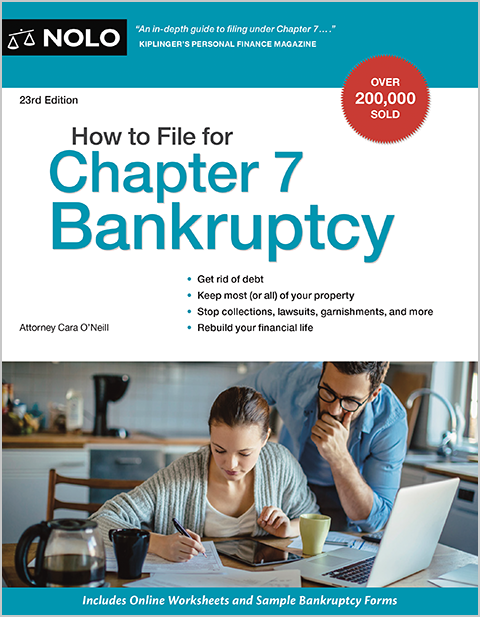
How to File for Chapter 7 Bankruptcy
Book & eBook
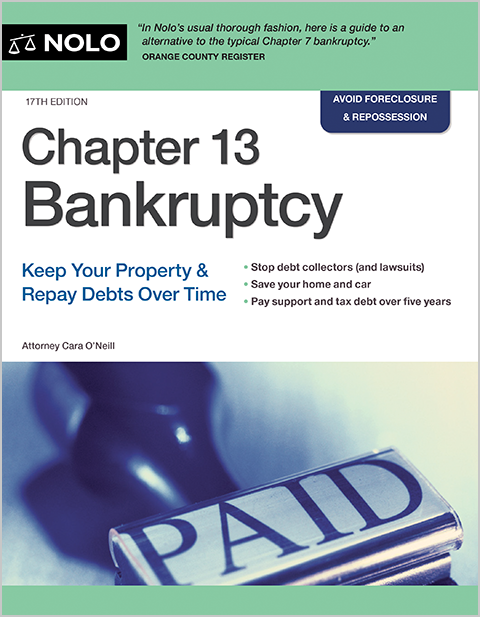
Chapter 13 Bankruptcy

Copyright ©2025 MH Sub I, LLC dba Nolo ® Self-help services may not be permitted in all states. The information provided on this site is not legal advice, does not constitute a lawyer referral service, and no attorney-client or confidential relationship is or will be formed by use of the site. The attorney listings on this site are paid attorney advertising. In some states, the information on this website may be considered a lawyer referral service. Please reference the Terms of Use and the Supplemental Terms for specific information related to your state. Your use of this website constitutes acceptance of the Terms of Use, Supplemental Terms, Privacy Policy, Cookie Policy, and Consumer Health Data Notice.
Your Privacy Choices