Copyright law protects software code. Here’s a guide to protecting your rights in your code and dealing with infringement.
Updated 3/30/2023
Why Trust Us?
Fact-Checked
Nolo was born in 1971 as a publisher of self-help legal books. Guided by the motto “law for all,” our attorney authors and editors have been explaining the law to everyday people ever since. Learn more about our history and our editorial standards.
Each article that we publish has been written or reviewed by one of our editors, who together have over 100 years of experience practicing law. We strive to keep our information current as laws change. Learn more about our editorial standards.
You worked hard on developing your software. You spent hours coding it, and even more hours bringing it to market. Now, you believe that someone has stolen your code and is using it in their own product. Or maybe you're just worried that someone will steal your code in the future. Either way, does the law provide you, the software creator, with any protections?
Copyright Protects Software
Most people are aware that copyright law protects creative works such as books, music, movies, and photographs. Copyright also protects software. In fact, copyright is the primary form of intellectual property protection for software.
While software can be patented, software patents are difficult and expensive to obtain. Copyright on the other hand is automatic—as soon as you write the code, it's protected by copyright. This is true whether the code is used in an accounting software program, on a website, in a video game, or in a mobile app.
As the copyright owner, you have certain exclusive rights in your software code, including the right to reproduce and distribute your code. Someone else may not legally copy your code for use in another program. Nor may they make copies of your software and sell it as their own (known as "pirating"). In either case—when your code is reproduced in someone else's software or when someone makes and distributes unauthorized copies of your software—your copyright has been infringed and you can take legal action against the infringer.
Steps You Can Take to Protect Your Software Copyright
You can take steps to discourage copyright infringement, including putting a copyright notice on your software, registering the copyright in your software, and setting forth clear non-infringement terms in your software licenses.
Put a Copyright Notice on Your Software
You should put a copyright notice on your software, prominently enough to be seen by anyone viewing the software program or its underlying code. The copyright notice identifies you as the copyright owner and sends a message to a would-be infringer that you will defend your copyright rights.
Register Your Copyright With the Copyright Office
You do not need to have formally registered your copyright with the U.S. Copyright Office in order for it to be copyrighted. Again, the copyright comes into existence the moment you create the code. However, registration is necessary to be able to bring a copyright infringement lawsuit—you can't even get in the courtroom door without having first registered the copyright.
Set Clear Terms in Your Software Licenses
Most software these days isn't distributed as physical copies (such as CD-ROMS or DVDs), but is instead downloaded from a website or used online. Software that is accessed and used online is known as "cloud-based software" or "software as a service" (SAAS).
In all three modes (physical copies, downloadable, or cloud-based), software is licensed, not purchased. The user doesn't own a copy of the software but rather licenses the software from the software provider, either directly or from an app store (such as the Apple App Store or Google Play).
End User License Agreements (EULAs)
The software licenses described above are laid out in end user license agreements (EULAs). EULAs are often called "terms of use" or "terms and conditions" on a website or platform. Such licenses usually contain copyright terms.
For example, Nolo's WillMaker estate planning software is available as a download or as an online service. The WillMaker End User License Agreement states that "The Program is licensed, not sold, to you under this Agreement." It also includes the following copyright language:
"You may not … copy, adapt, create derivative works of, translate, or otherwise modify the Program in whole or in part, unless expressly permitted by this Agreement …"
In other words, WillMaker users aren't allowed to infringe Nolo's copyright in the software. If they do, Nolo would have a case not only for infringement, but also for breach of contract because the EULA is a contract and its terms are binding on the user.
No matter how your software is being distributed (physical copies, downloads, or online/SAAS), you should include copyright language in your licenses.
What If Your Copyright Is Infringed?
Of course, someone could ignore the copyright notice on your software and the copyright language in your license agreement. Maybe you see an app or a software program that looks suspiciously like yours—enough so that you wonder whether it was built with your code. Or you might know for a fact that a former employee or independent contractor has taken your code with them to a new gig and used it in a competing product. What are your options?
Send a Cease-and-Desist Letter
A good first step when you know or suspect that your software copyright has been infringed is to send a cease-and-desist letter demanding that the infringer stop their infringement. Sometimes this is all you want—for the other party to stop using your code or to stop distributing products that use your code. But even if you want to sue for copyright infringement, as we discuss below, you want to stop the infringement before it can do more harm to you and the market for your software. You might demand, for example, that the infringing app be pulled immediately from all app stores.
A cease-and-desist letter can include a demand for some payment to compensate you for the infringement that has already occurred. You might have a dollar amount in mind and be willing to not pursue legal action if the infringement stops and the infringer makes the payment.
You can draft a cease-and-desist letter on your own or have an attorney do it for you. A letter from an attorney, on law firm letterhead, can carry more weight with an opposing party. (Also, an experienced attorney should be able to offer a strategic approach to your letter, including when it comes to the issues of whether to seek payment and what kinds of language to include.)
Sue for Copyright Infringement
Even when a cease-and-desist letter works to put an end to any ongoing infringement, and certainly if the infringer ignores your letter and continues the infringement, you have the option of suing for copyright infringement.
Copyright infringement lawsuits are complicated and expensive. To determine whether you have a solid infringement claim and whether the potential damages you could win would justify the expense of an infringement lawsuit, consult an attorney skilled in copyright litigation.
Here are the major elements you must establish to prove infringement:
- You are the lawful owner of a registered copyright in the work (your software).
- The claimed infringer had access to your work.
- The infringing work is substantially similar to your work.
Proving Access to Your Work
To prove access, you must show that the alleged infringer had the opportunity to view and copy your software. This requirement is easy to show if the work has been distributed to the public or to a large group of people or companies.
It might be more difficult if the work has been accessible only to very few people, or the source code has been protected as a trade secret. You might need to prove, through documents or testimony, that the alleged infringer had access to your code.
Proving Substantial Similarity to Your Work
Proving substantial similarity is usually the crux of any copyright infringement case, particularly in the software context. Assuming the alleged infringer had access to your work, the similarities between your work and the infringer's must be evaluated to see if copying may reasonably be inferred.
The similarities must be such that they can be explained only by copying having occurred, not by factors such as coincidence, independent creation, or the existence of a prior common source for both programs. If the infringer copies your code verbatim (line for line), the infringing code isn't just substantially similar to yours—it's exactly the same. If the copying isn't verbatim, it might still be infringement if the party in question modified or adapted protected elements of your software.
For More on Protecting Your Software
You can learn more about protecting your rights in your software from our articles on software and app law. For help understanding and enforcing your rights, consult a lawyer.
Talk to a Lawyer
Need a lawyer? Start here.
How it Works
- Briefly tell us about your case
- Provide your contact information
- Choose attorneys to contact you
DIY Legal Tools from Nolo
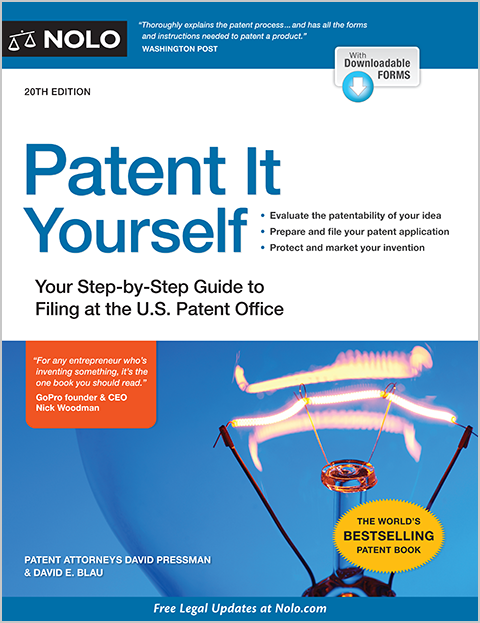
Book & eBook
Patent It Yourself
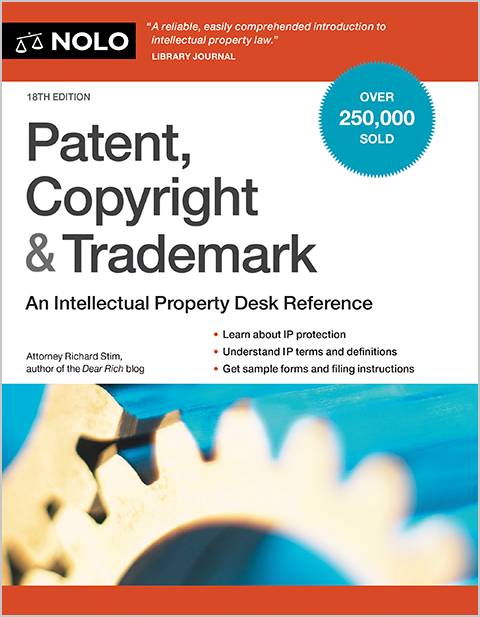
Book & eBook
Patents, Copyright & Trademark
Get Professional Help
Talk to a Intellectual Property attorney.
How It Works
- Briefly tell us about your case
- Provide your contact information
- Choose attorneys to contact you
Copyright ©2025 MH Sub I, LLC dba Nolo ® Self-help services may not be permitted in all states. The information provided on this site is not legal advice, does not constitute a lawyer referral service, and no attorney-client or confidential relationship is or will be formed by use of the site. The attorney listings on this site are paid attorney advertising. In some states, the information on this website may be considered a lawyer referral service. Please reference the Terms of Use and the Supplemental Terms for specific information related to your state. Your use of this website constitutes acceptance of the Terms of Use, Supplemental Terms, Privacy Policy, Cookie Policy, and Consumer Health Data Notice.
Your Privacy Choices