If you cannot afford to pay the filing fee in full or in installments, you can file an Application to Have the Chapter 7 Filing Fee Waived (Form 103B).
Updated 10/20/2022
Why Trust Us?
Fact-Checked
Nolo was born in 1971 as a publisher of self-help legal books. Guided by the motto “law for all,” our attorney authors and editors have been explaining the law to everyday people ever since. Learn more about our history and our editorial standards.
Each article that we publish has been written or reviewed by one of our editors, who together have over 100 years of experience practicing law. We strive to keep our information current as laws change. Learn more about our editorial standards.
When you file for bankruptcy, you must pay a filing fee. You might qualify for a fee waiver if you can't afford to pay this fee upfront or in installments. To find out, complete and file a fee waiver form along with your other bankruptcy forms.
Learn about completing the bankruptcy forms and other required paperwork.
Can You Pay in Installments?
If you don't have the funds to pay the filing fee now but you'll have money later, you can ask the court to allow you to pay it in installments. To do so, you'll complete the Application for Individuals to Pay the Filing Fee in Installments (Form 103A) and request to pay the fee in up to four payments within 120 days of your bankruptcy filing date.
Who Qualifies for a Chapter 7 Fee Waiver?
If you don't have the funds to pay the fee—even down the road—you'll qualify for a fee waiver if:
- you are an individual (businesses filing for bankruptcy can't apply)
- you are filing for Chapter 7 bankruptcy
- you cannot pay the fee in installments over 120 days, and
- your combined family income is less than 150% of the official poverty line.
What Is the Official Poverty Line?
The fee waiver income limits are based on the official poverty guidelines last published by the U.S. Department of Health and Human Services (DHHS). Even if you're within the poverty guidelines, you'll still have to state under penalty of perjury that you can't pay the fee in installments.
You can find the bankruptcy fee waiver income limits on the U.S. Court's website.
Completing the Application for Fee Waiver
To complete the Application to Have the Chapter 7 Filing Fee Waived (Form 103B), you must provide information about your family size, combined family income, monthly expenses, cash on hand, bank accounts, personal property, and real estate.
You'll use the information you provided on your bankruptcy schedules (the figures should be consistent). In particular, you'll need information from Schedule I (income), Schedule J (expenses), and Schedule A/B (property).
You must also provide information about:
- any amounts you've paid or promised to pay an attorney or anyone else for services related to your bankruptcy filing, and
- any bankruptcies you've filed in the previous eight years.
The form also allows you to provide any other information that helps explain why you cannot pay the fee upfront or in installments.
The Court's Order on Your Application for Fee Waiver
The court can order one of the following things:
- grant the fee waiver
- schedule the matter for a hearing at which you must appear, or
- deny the fee waiver and order a payment schedule for the fee.
How to Get the Bankruptcy Fee Waiver or Installment Application
You'll find all bankruptcy forms on the U.S. Courts bankruptcy form webpage.
Need More Bankruptcy Help?
Did you know Nolo has been making the law easy for over fifty years? It's true—and we want to make sure you find what you need. Below you'll find more articles explaining how bankruptcy works. And don't forget that our bankruptcy homepage is the best place to start if you have other questions!
|
Our Editor's Picks for You |
|
|
More Like This |
|
|
Other Articles You Might Like |
Overview of the Chapter 7 Bankruptcy Process |
|
Helpful Bankruptcy Sites |
We wholeheartedly encourage research and learning, but online articles can't address all bankruptcy issues or the facts of your case. The best way to protect your assets in bankruptcy is by hiring a local bankruptcy lawyer.
 Take our bankruptcy quiz to identify potential issues and learn how to best proceed with your bankruptcy case.
|
In This Article
DIY Legal Tools from Nolo
Book & eBook
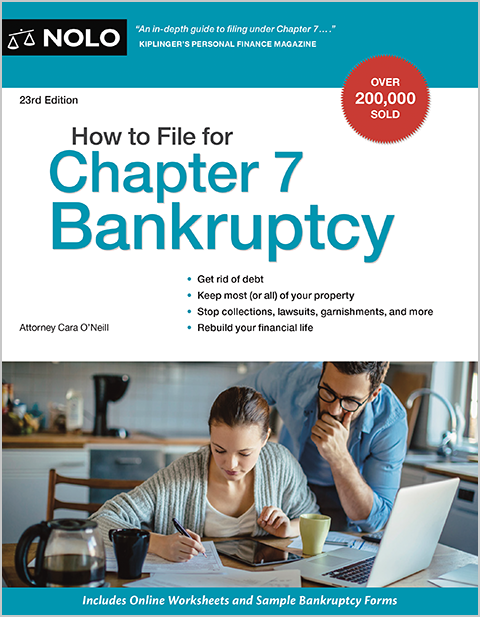
How to File for Chapter 7 Bankruptcy
Book & eBook
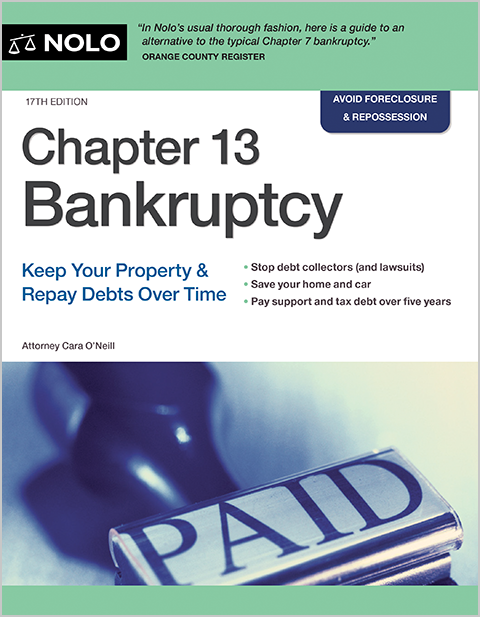
Chapter 13 Bankruptcy

Copyright ©2025 MH Sub I, LLC dba Nolo ® Self-help services may not be permitted in all states. The information provided on this site is not legal advice, does not constitute a lawyer referral service, and no attorney-client or confidential relationship is or will be formed by use of the site. The attorney listings on this site are paid attorney advertising. In some states, the information on this website may be considered a lawyer referral service. Please reference the Terms of Use and the Supplemental Terms for specific information related to your state. Your use of this website constitutes acceptance of the Terms of Use, Supplemental Terms, Privacy Policy, Cookie Policy, and Consumer Health Data Notice.
Your Privacy Choices