
 Criminal Trials
In a sense, a criminal trial is simple: a determination of guilt or innocence. But the process by which a judge or jury reaches that determination is very complex. Defendants have a host of rights to be protected, and judges have to ensure that the parties follow procedure.
Step-by-step guide to criminal trials, from pretrial motions and jury selection to opening statements, cross-examination, post-trial motions, and sentencing.
The Bill of Rights provides certain rights to criminal defendants throughout the criminal process, from arrest to appeal.
After a criminal trial ends in a conviction, the defendant can file a motion for a new trial.
Anyone accused of a criminal offense has the right to a public trial under the Sixth Amendment to the U.S. Constitution.
Competence to stand trial relates to the defendant's ability to understand the criminal proceedings, not the crime itself.
If a prosecutor's evidence is insufficient to prove a defendant's guilt, the defense can ask the judge to grant a motion for acquittal and dismiss the case.
A joint trial of codefendants (also known as “joinder”) occurs when a judge merges the cases of two or more defendants.
A verdict of not guilty constitutes an acquittal. In other words, to find a defendant not guilty is to acquit.
A civil case and a criminal case can be based on the same facts but have different outcomes. The famous O.J. Simpson case helps explain why.
The U.S. Supreme Court announced a new rule on judicial bias in 2016.
The use of jury systems varies greatly worldwide, as well as their composition, role, and selection processes.
The Sixth Amendment to the U.S. Constitution and the constitutions of the individual states guarantee the right to a speedy trial.
A continuance is a grant of additional preparation time before or during a trial. Learn the common reasons lawyers ask for continuances and when a judge is likely to grant or deny the motion.
Empower Yourself: DIY Products by Nolo
Sidestep the lawyers with do-it-yourself books, documents, and software.
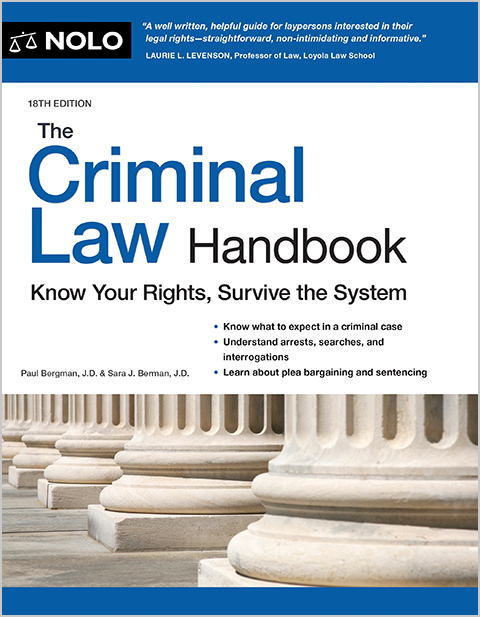
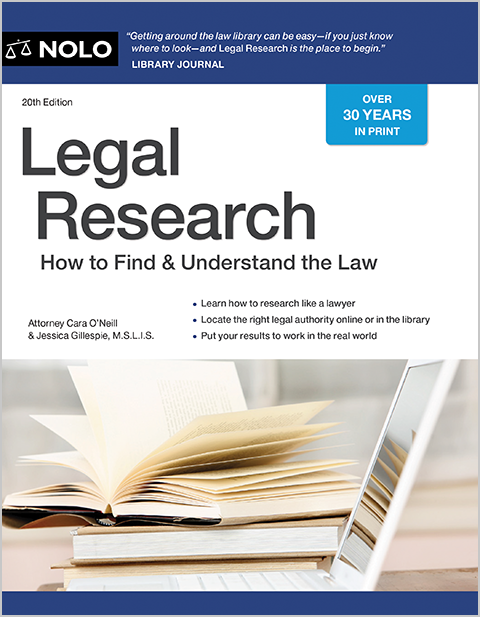
Book
Legal Research
Nolo offers hundreds of consumer-friendly, do-it-yourself legal products for all types of legal situations. Browse our full product list.
More Legal Issues
Click below to view more legal issues. Our extensive collection of legal topics ranges across different areas of practice.

Corporations Car Accidents Criminal Law Debt Management Disability Law Divorce & Family Law

Learn About Our Team
Our editors have over 100 years of combined experience practicing law. These professionals have worked in a wide range of legal areas, from estate planning to criminal law to business formation and beyond. They’re experts at explaining complicated legal issues in easy-to-understand terms.
Learn more about the team that manages Nolo’s articles, books, and DIY tools.
Need a Lawyer? We Can Help
Find an experienced, local attorney in three easy steps. Our process is designed for ease and simplicity.
Describe Your Case
Briefly tell us about your case, and provide your contact information.
Get Connected
We find and instantly list attorneys that can best handle your case.
Hire an Attorney
Choose the attorneys you would like to work with.
Nolo Legal Dictionary
Find plain-English definitions for legal terms by browsing Nolo's Law Dictionary.
Are You an Attorney?
Grow your firm with Martindale-Nolo, the largest legal network, and learn more about our attorney lead-generation and marketing services.
Integrity and Expertise You Can Rely On
At Nolo, we prioritize quality and transparency because we know how important reliable legal information is to our readers. Our information is meticulously researched, regularly updated, and written in plain English by our experienced writers and editors. Learn more about our editorial standards.
Copyright ©2025 MH Sub I, LLC dba Nolo ® Self-help services may not be permitted in all states. The information provided on this site is not legal advice, does not constitute a lawyer referral service, and no attorney-client or confidential relationship is or will be formed by use of the site. The attorney listings on this site are paid attorney advertising. In some states, the information on this website may be considered a lawyer referral service. Please reference the Terms of Use and the Supplemental Terms for specific information related to your state. Your use of this website constitutes acceptance of the Terms of Use, Supplemental Terms, Privacy Policy, Cookie Policy, and Consumer Health Data Notice.
Your Privacy Choices